UK bakery innovation is entering a new era of strategic possibility. Supply chain disruption and demand for transparency have rewritten the rules of investment. Local ingredient sourcing, speed to market and agile collaboration now matter as much as scale and operational efficiency – helping manufacturers respond quickly when market conditions change.
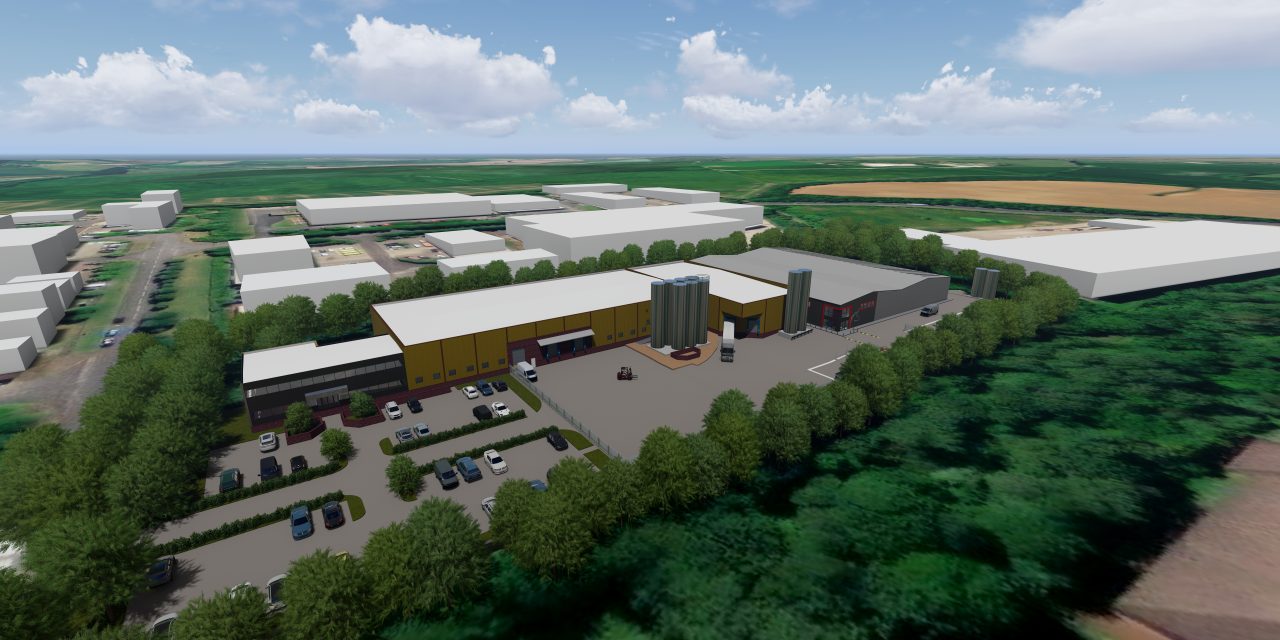
Against this backdrop, Puratos – a leader in chocolate, bakery and patisserie ingredients – has invested in upgrading and expanding its facility in Buckingham. By consolidating fillings and sourdough production alongside existing production, the company shows how local investment can play a practical role in building business resilience and supporting long-term innovation in the UK bakery sector.
In this interview, we sit down with Julia Darvill, Regional Managing Director at Puratos UK and Ireland, to go beyond the headline investment. We explore why local production is strategically important to safeguard supply and drive bakery innovation. Darvill also shares her expectations for the future of the UK bakery sector and how closer collaboration will become increasingly crucial to create an envirwhere insight, taste, texture and performance work seamlessly in parallel.
Proximity matters
So, what are the benefits for the bakery sector of consolidating UK production? Darvill shares that the decision to invest in the Buckingham site represents an opportunity to become more agile and responsive. “Consolidating local manufacturing gives us the ability to move faster when opportunities emerge,” she explains. “When your strategic decision-making, consumer insights, production and technical expertise are all within reach, you can test, refine and scale new products more quickly.”
For Puratos, this meant creating a “Centre of Excellence” at its Buckingham site, only seven miles away from its well-established Innovation Centre in Fringford. By bringing production and marketing alongside R&D capabilities physically closer, the Buckingham facility creates a hub for its experts and customers to work side-by-side on both new product development and improving existing offerings. As well as encouraging knowledge sharing, Puratos believes that this kind of shared space helps speed up time to market, as shorter feedback loops often mean faster iteration.
According to Darvill, this level of physical proximity is crucial in such a dynamic sector, with increasingly demanding briefs and tight launch windows. “The pandemic showed us that no amount of video calls can make up for spontaneous problem-solving and trying new ideas face to face. With different disciplines together in one place, it helps manufacturers capitalise more efficiently on emerging trends. Whether it’s reformulating a filling to meet new clean label requirements or adapting a sourdough for a seasonal special launch, in-person collaboration is crucial for finding solutions that actually work at scale – and quickly, too.”
Looking ahead
The ability to move quickly without compromising on quality or credentials will only become more valuable as the British bakery sector evolves. Ask Darvill where innovation is heading, and her answer is resoundingly positive. “Consumers want bakery products that deliver joy without compromise – think desserts and sweet options with trending fruit and cream fillings. Manufacturers are becoming increasingly adept at meeting these needs with seasonal and limited time offers, but this requires up-to-date consumer and market insights, as well as on-hand technical expertise to ensure filling recipes are optimised to deliver the best taste in a specific finished good. The consumer expectations and technical requirements of a filling for a doughnut are different to those for a chilled dessert.”
As another example, Darvill explains how Puratos will use the new Centre of Excellence to meet demand for healthier breads. “Our research shows that fibre, protein and plant diversity are becoming crucial purchasing drivers for bread – but not at the expense of taste or texture. Our experts are looking at ways they can finetune our customers’ recipes to tick all these boxes and create healthier breads that shoppers actually want to purchase, for instance by harnessing the natural flavour properties of our locally made sourdough.
“The future belongs to manufacturers who can balance taste, health and sustainability without treating them as trade-offs,” adds Darvill.
The newly-expanded Buckingham facility is designed to meet current demand – and anticipate what comes next. As texture becomes an increasingly critical part of the bakery eating experience, advanced capabilities in creating smoothness in fillings and high-standard fruit identification will matter more, not less. After all, 76% of UK consumers like to try food with different textures, according to Taste Tomorrow. And as traceability becomes non-negotiable for bakery manufacturers, local production networks will become an essential part of bakery production.
Think local
Speed to market matters – but increasingly in the bakery sector, so does ingredient provenance. Transparency in sourcing has evolved from marketing talking point into another compelling reason to purchase – and manufacturers are feeling the shift from both ends of the supply chain. Retailers want assurances that their ingredients were sourced locally, while consumers want origin stories they can believe and, ideally buy into emotionally. Indeed, Puratos’s Taste Tomorrow ‘always-on’ insights forecast a 29% growth in global search volume for ‘local authenticity’, which consumers typically associate with more artisanal bakery products.
“We’re seeing provenance influence decision-making at every level of the supply chain,” says Darvill. “It’s not just about where ingredients come from anymore, it’s about being able to demonstrate that journey with confidence.” Puratos is an advocate for the farm-to-fork model for its fruit fillings – sourced from Puratos Fourayes’s 100-acre orchard in nearby Kent. It means that each apple can be traced back to a specific row within 60,000 trees, which provides a consistent security of supply for bakery manufacturers. In addition, 90% of the fruit fillings made at Fourayes are made with fruit sourced within 35 miles of the site.
Local ingredient production is also another way to ensure predictability. Harvest schedules become visible. Seasonal planning becomes collaborative rather than reactive. And when global supply challenges or border delays affect competitors, vertical integration and local partnerships provide continuity. When it comes to fruit, proximity to source means it can be picked and processed at peak ripeness, preserving flavour intensity, natural colour and nutritional value. Manufacturers gain a compelling authenticity story too – one that resonates with increasingly eco-conscious shoppers.
Darvill thinks that the most important benefit of local sourcing lies in the versatility it creates. “With local ingredient provenance, manufacturers have much more flexibility than with long, complex supply chains. It takes out additional steps that would otherwise slow down time to market and provides supply chain confidence and insight that manufacturers find invaluable.”
Innovating closer to home
Consolidating production closer to customers, R&D teams and ingredient sources could offer important strategic benefits throughout the bakery supply chain. Indeed, Darvill thinks it’s the future of modern bakery – providing a huge competitive edge. Not through scale alone, but through proximity, agility and the kind of responsive collaboration that turns market signals into launched products before the opportunity passes. For UK manufacturers of breads and sweet baked goods navigating an increasingly demanding landscape, local and agile innovation partners will be the key to staying ahead.