Nigel Draper, Founder and Managing Director of Sorsco, experts in supply chain and procurement for the hospitality sector, explains how to rise above shortages in bakery supply chains.
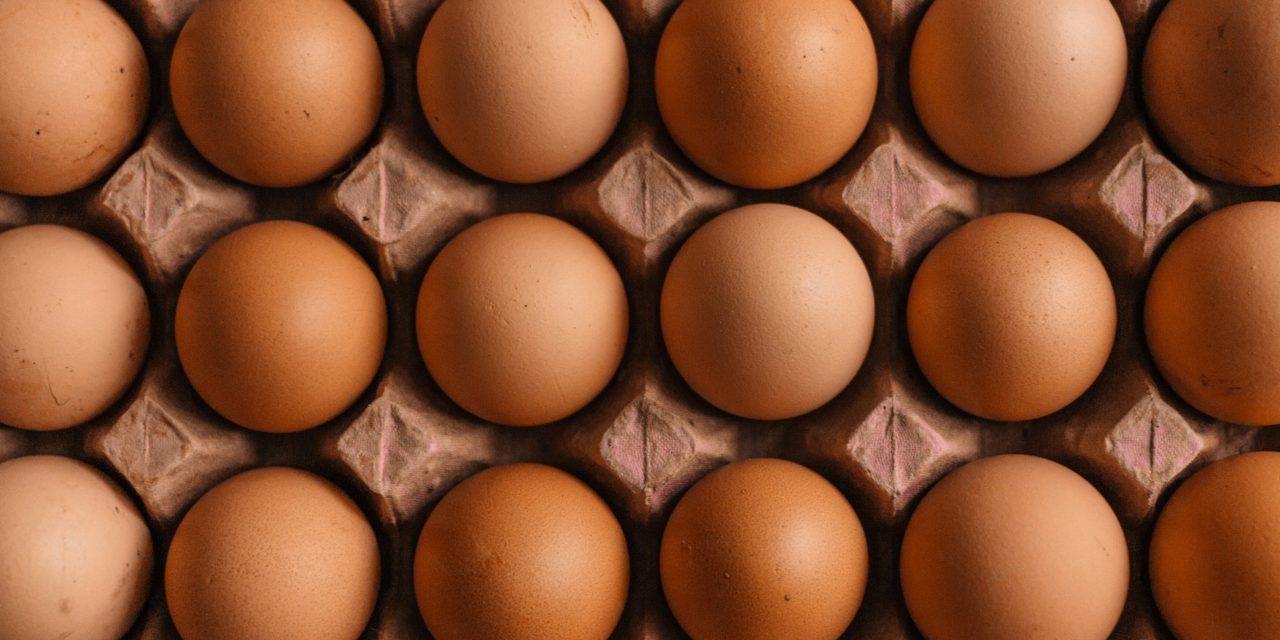
Although the peak of the egg crisis appears to be over, the UK’s bakery industry is still at risk. Indeed, Minette Batters of the National Farmers Union (NFU) has confirmed that national egg production has fallen to its lowest level in nine years.
Likewise, Defra (the Department for Environment, Food and Rural Affairs) reported the lowest ever production on record between January and March last year. Availability is unpredictable at best, leaving bakeries around the country scrambling to stock up on the key ingredient ahead of time, hoping that sudden supply shortages won’t leave them with egg on their faces.
An industry on eggshells
It’s all down to an unbalanced farming economy, in which farmers are spending more to produce, yet seeing little recompense from major supermarkets in response. Farmers are now spending 79% more on energy and 57% more on bird feed just to supply eggs, according to the NFU – with ongoing conflict in the Ukraine only serving to intensify pressures, as the country used to be a major producer of animal-feed staple, corn.
“Any efforts to remedy shortages pose a significant threat to bakery survival, making egg quality and ethics somewhat vague at best, despite increasing demand for responsible sourcing from customers”
Prior to the government’s pledge to review fairness in the egg sector in May last year, things got so bad that many egg farmers cracked and quit altogether. The effects of this are still ongoing, especially given that – according to Lyr Jones who supplies eggs en masse to supermarket giant Tesco – national egg consumption is rising by about 3% each year. The relatively affordable protein is gaining traction throughout the cost-of-living crisis, adding additional demand to shortening supply.
A fragile future
Worse still, any efforts to remedy shortages pose a significant threat to bakery survival, making egg quality and ethics somewhat vague at best, despite increasing demand for responsible sourcing from customers. Indeed, The New European recently reported that the UK is now importing 2000% more eggs from Poland than it did two years ago – Italy not far behind at 300%. The quality of these eggs is not, however, checked, given that the government has not yet introduced post-Brexit testing.
Once Brexit changes are put into place, there could be further disruptions, especially following the UK’s signature of the Comprehensive and Progressive Agreement for Trans-Pacific Partnership (CPTPP), which could see the import of battery-caged eggs – made illegal in 2012 – return. Needless to say, animal welfare groups, conscious customers and those responsible for overseeing ethical operations will not be happy.
Hatching better plans
One solution to all this is to look into egg alternatives. With more than 2.5 million vegans now in the UK according to fintech company, Finder, plant-based options like aquafaba, applesauce and mashed banana do very well when it comes to replacing the eggs used in the nation’s favourite cakes, biscuits and pies. Plus, they’re a great way to play with textures and flavours, allowing your bakery or patisserie to offer something different from the competition. It’s a great way to cater to those with egg allergies, too. It never hurts to make menus more inclusive.
Of course, bakeries can also communicate openly with customers, letting them know that they’re low on eggs and talking them through the creative alternatives they’ve come up with instead. This can help to manage expectations – and if a customer’s not convinced, it’s always possible to give them a quick sample to let them know just how fluffy and tasty non-egg bakes can be. Perhaps even offer samples outside to create traction and draw people in.
Temporary adjustments to the rest of your menu during core times are another route to go down, perhaps reducing the number of other egg-based items on offer when traditional dishes like hot cross buns for Easter, fruit cakes for Christmas and delicate sponges and pastries for summer picnics must take precedence. This way, the most meaningful bakes can remain firmly on the table at times when people want them the most. You never know, it could just unlock new levels of creativity in the kitchen, particularly if staff are trained to be creative with the ingredients and resources available. New techniques could well be the difference you need to stand out.
Finally, implementing pre-ordering systems for popular, egg-based dishes can help to manage demand, in addition to helping with ingredient forecasting and minimising any associated food waste in the future. A win-win for both people and the planet.
Laying down long-term solutions
Whilst the above solutions are great for managing short-term issues – with the additional bonus of menu diversification – bakeries, boulangeries and dessert shops will naturally want to protect themselves over the longer term, as well. In essence, this means taking a long, hard look at supply chains.
Rather than relying on the big supermarkets and large-scale providers for their eggs, most of which will suffer greatly from supply fluctuations, bakery owners should look at collaborating with local suppliers for a solution. By collaborating with farms and establishing partnerships with local people, it’s possible to negotiate flexible contracts to ensure better adaptability when things get tough.
Better still, such collaborations help to limit the costs and carbon emissions associated with long-distance transportation, working wonders for your sustainability, as well. With 61% of UK consumers confessing that sustainability is a main priority in the latest NielsenIQ study, it’s a benefit many can’t afford to forgo.
By diversifying egg supply chains in addition to going local, there’s even more benefit to be derived, as there’s still a reliable source to turn to if one supplier is down. It’s very much a case of not putting all your eggs in one basket.
The egg crisis, unscrambled
Once supply-chain issues are sorted, bakeries large and small around the country can crack on with their many plans, further flipping the narrative from crisis to creativity with a series of mouthwatering menu adjustments.
Editorial contact:
Editor: Kiran Grewal kgrewal@kennedys.co.uk