Suzanne Callander spoke to Frank Bird, CEO at Hill Biscuits, to discuss the important role that digitalisation is set to play in positioning the company for further growth in the coming years.
As UK-based Hill Biscuits approaches its 170th anniversary, it is keen to look forwards and not backwards and is currently preparing for a new era of growth which includes an emphasis on data driven decisions and adopting a greater focus on digital technology on its production lines.
Known for the production of traditional British biscuits – such as custard creams, bourbon biscuits, fruit shorties and rich tea biscuits – the company has recently experienced a substantial increase in sales revenue since 2021 – achieving an impressive 50% growth in 2023 in comparison, with projections set to rise further in 2024.
Frank Bird assumed the role of Chief Executive Officer of Hill Biscuits in 2023, tasked with strategically positioning the bakery for sustained growth. With extensive bakery industry experience, including senior leadership roles at Delifrance and Aryzta, Frank is excited to lead the company into the future.
Frank puts the recent success of Hill Biscuits down to several factors. He says: “Many biscuit producers in the UK have moved their focus on to more indulgent biscuit ranges and this would have required them to adapt their processes. Meanwhile, in the past few years, inflation and price rises have really hit consumers, which has led many to turn to more affordable biscuit treats, which we provide.
“Another reason that we have been so successful in recent years can be attributed to our customer portfolio, which includes discount food stores – a sector which has grown since the global pandemic because consumers with less money in their pockets are keen to make savings where possible.”
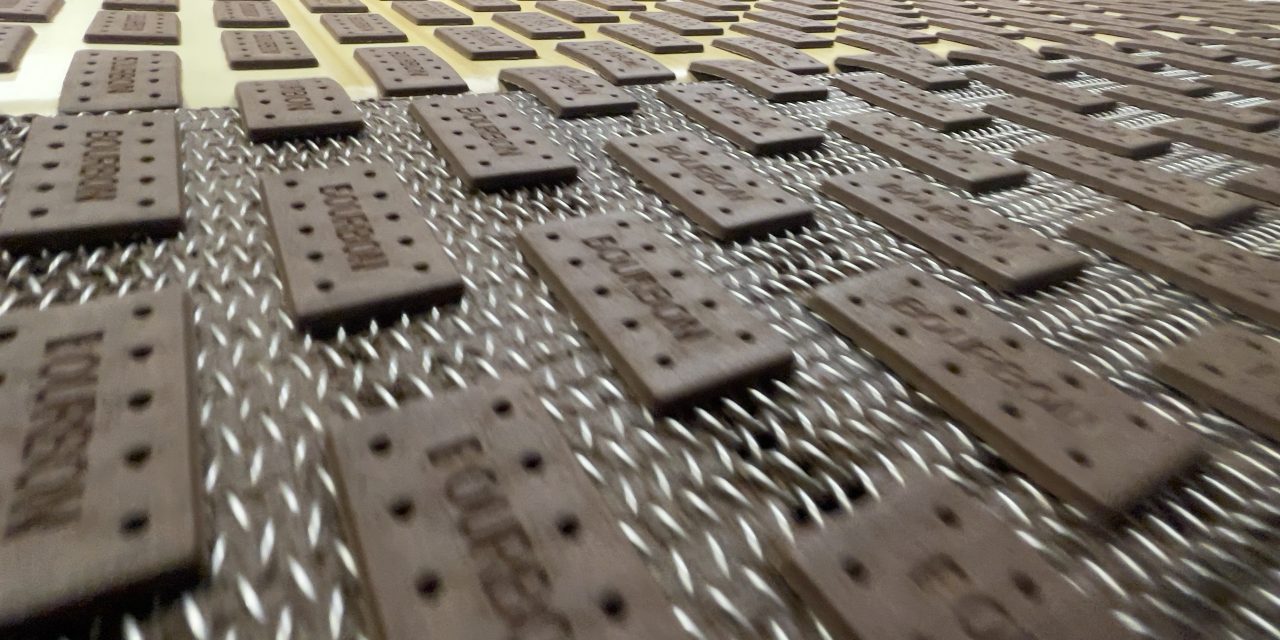
The Hill Biscuits production lines involve mixing stages for the dough and the cream fillings. The biscuit shells are either moulded or stamped before baking. Once cooled, cream is added, and the biscuits are sandwiched together before moving onto the packing lines.
Frank explains that one of the biggest challenges facing bakeries today relates to the rising cost of energy. “We are working in an industry that uses a lot of energy and I believe that digitalisation of our processes can provide the best way to cut out energy waste. It provides the data we need to optimise energy usage on our production lines.”
So, monitoring gas and energy use across the baking process is key to optimising energy use. “Monitoring can also help us optimise the baking process itself to ensure product consistency. It allows us to ensure that the oven is running optimally and that it is never running empty,” says Frank. “This will also help our production processes to be more sustainable, which is important to the company.”
He goes on to point out that digitalisation of the process can also help free up operator’s time. “The team will have less paperwork to do, which will give them more time to undertake other important tasks that add value and improve the quality of our products. Traditionally, undertaking the regular safety and process checks, as well as production audits, that are a big part of our business, takes up a great deal of operator time to gather and complete all the paperwork required. However, if we are able to combine digital applications for these tasks and have all the data stored digitally, and available at the touch of a button, it will really help streamline our processes.
“Digitalisation can also streamline the maintenance process and we are aiming to move towards a more predictive maintenance strategy, using analysis of process data to help us predict failures and fix them in a timely way before they become problematic.”
To date, Hill Biscuits digitalisation journey has mostly been about retrofitting smart monitoring technology, such as vibration sensors, to its existing processes in a bid optimise them. “However, as our journey progresses and we buy new equipment we will be looking for smart technology to be included where possible so that we can integrate new systems into our existing data gathering platform.”
Data is key
Data really does appear to be the key to any digital transformation. Before setting out on any digitalisation journey, it is important to focus on what data each element of the process can provide and how it might help optimise the process. Focus on a few critical assets first and ask whether it will allow you to make better and faster decisions or will it help to reduce waste from the process?
“A priority for any automated bakery will be to keep the plant running,” continues Frank. “Once it stops, costs stack up very quickly, sustainability goes out the window as your ovens will be running empty, or product to waste, depending on where your issues are. The teams will be firefighting to get the line back up and working as quickly as possible to reduce your wastes, in labour, product and energy. So, having a good maintenance strategy is vital in helping a company to become more efficient, more productive, and more sustainable.”
It is always good practice to find ways to predict a breakdown, rather than waiting and reacting to it. Research shows that, often a production line will be running sub-optimally for some time before a breakdown occurs, so identifying potential problems early can make a line more efficient.
For Hill Biscuits, the spotlight is now on the newly appointed senior team, which comprises Simon Worth, Operations Director; Brendon Ward-Banner Chief Financial Officer, and Tracey Meadows Commercial Director. Together, they are spearheading a variety of transformative initiatives to enhance working practices, focusing on improving business performance while setting new benchmarks in quality control, people development, and process control.
Frank is keen to take a data-driven approach to this transformation and smart monitoring technologies look set to play a big role in helping ensure the bakery is able to achieve its growth goals. Frank concludes: “The senior team is now leading a transformation of the working practices at the bakery, establishing new standards across the company with a data-driven approach. Our focus spans all areas of the business, developing a pivotal point on efficiency and bakery performances, supporting our sustainability achievements, whilst ensuring that quality is at the heart of our enhancements. The delivery of our plans will be strengthened through improving our emphasis on people development and acquiring natural succession within the business in all key roles, while also having an adaptive focus on process improvement and preventative maintenance.”
Editorial contact:
Editor: Kiran Grewal kgrewal@kennedys.co.uk