GoodMills Innovation’s natural fibres allow bakeries to harness the untapped potential for fibre enrichment of light-coloured baked goods without making major changes to recipes or processes.
For years, health organisations have been telling people to eat more fibre. The World Health Organization (WHO) recommends that adults consume at least 25g of dietary fibre every day1. However, data from national dietary surveys indicates that the majority of European adults are falling short of this target. In the UK, for example, people consume on average about 20g of fibre a day2.
A major barrier is that many consumers don’t like the nutty taste and coarse texture of traditional wholemeal products; they prefer the smoother, milder flavour and softer texture of refined white baked goods.
“GoodMills Innovation has developed a suite of natural fibres that have been optimised for application in light-coloured baked goods such as rolls, loaves, baguettes and cookies”
Building higher levels of fibre into light-coloured breads, biscuits, waffles and pancakes is a logical solution to this problem. But from a formulation perspective, it is not that simple.
Introducing fibre into white baked goods can impair dough stability, reduce gas retention or result in an uneven crumb structure. Therefore, fortification must be done carefully, with the right fibre ingredient and consideration for the dough properties.
GoodMills Innovation has developed a suite of natural fibres that have been optimised for application in light-coloured baked goods such as rolls, loaves, baguettes and cookies. They include Snow® Prebiotic Fibres and High-MAC brans – two fibres that can help the bakery industry bridge the ‘fibre gap’ through innovation and renovation.
Most fibre enrichment projects are about improving existing products rather than creating new recipes from scratch. GoodMills’ fibres are designed specifically for this purpose – to enhance existing baked goods without fundamentally changing their flavour or their production process.
Snow® Prebiotic Fibres: boosting fibre and gut health
By incorporating prebiotic fibre into baked goods, manufacturers can both increase fibre content and promote gut health. Snow® Prebiotic Fibres – used either as a partial replacement for flour or an additional ingredient – are the perfect solution for this.
A complex of seven prebiotic fibre sources – fermented wheat bran, acacia, citrus, chicory, oat and pea fibres, and rye bran – Snow® Prebiotic Fibres support the gut microbiome in a variety of ways, from improved digestion to enhanced immune function.
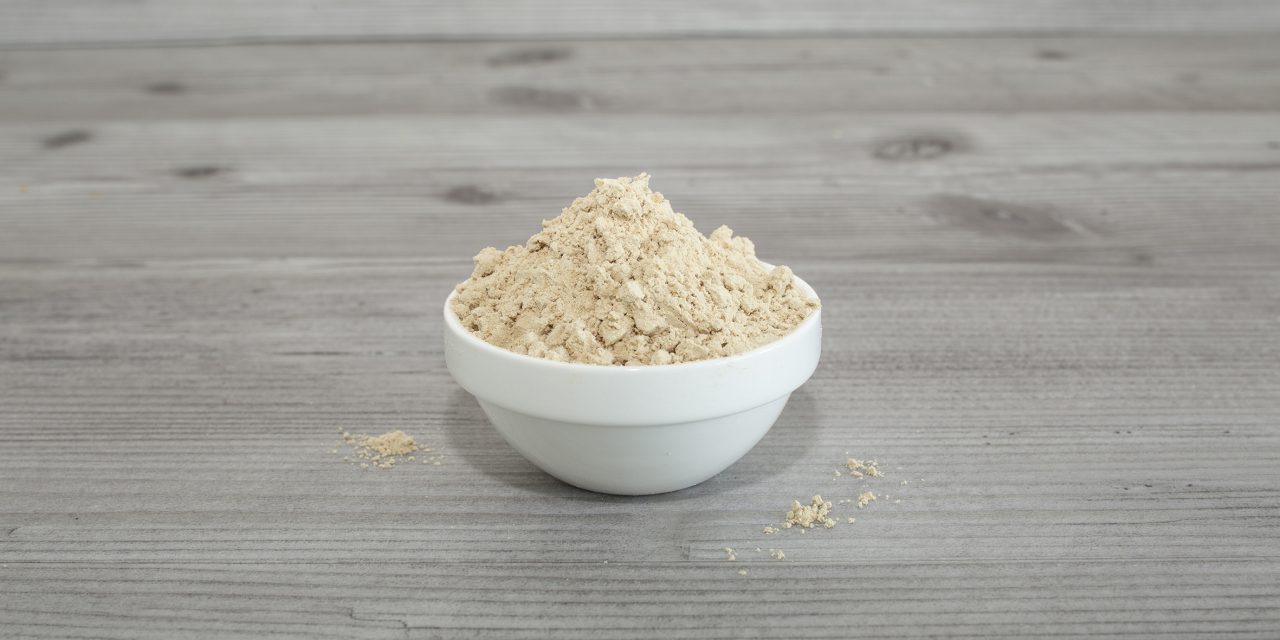
Despite having a fibre content of more than 60%, the complex is neutral in taste, fine in texture and light in colour. These attributes make it ideal for sandwich breads, buns or toast, resulting in an end product with a short, soft bite and airy crumb.
Snow® Prebiotic Fibres also support prefermentation, long fermentation, and sourdough processes, particularly in terms of shelf life and dough stability.
High-MAC brans: a stealth solution
For projects where the goal is fibre enrichment without a prebiotic effect, High-MAC brans offer scope for clean label, sensory-neutral fibre fortification. These stabilised brans use grain components that are typically removed during flour extraction but in a micronised format – 90% of particles are smaller than 200 micron. This promotes consumer acceptance as they are barely perceptible in the end product and means they can be integrated easily into both light and rustic baked goods.
Technologically, they behave like an additional flour component during kneading and, thanks to their thermal treatment, remain stable over an extended shelf life.
Rewriting the rule book
Light-coloured, refined baked goods have come under fire for their lack of nutritional value. Now, with GoodMills Innovation’s portfolio of natural fibres, bakeries have an opportunity to rewrite the narrative and develop products that are rich in fibre – without impacting process reliability or the consumer experience.